
Pick My Brewer is reader-supported. When you buy through links on this page, we may earn a commission at no extra cost to you.
Cafe-quality espresso at home is absolutely doable. It takes the right gear, fresh beans, and a little practice dialing in your shots. This guide walks through what you need, how to pull a shot step by step, how to fix shots that taste off, and what your options are if you do not want a full espresso setup.
What you need
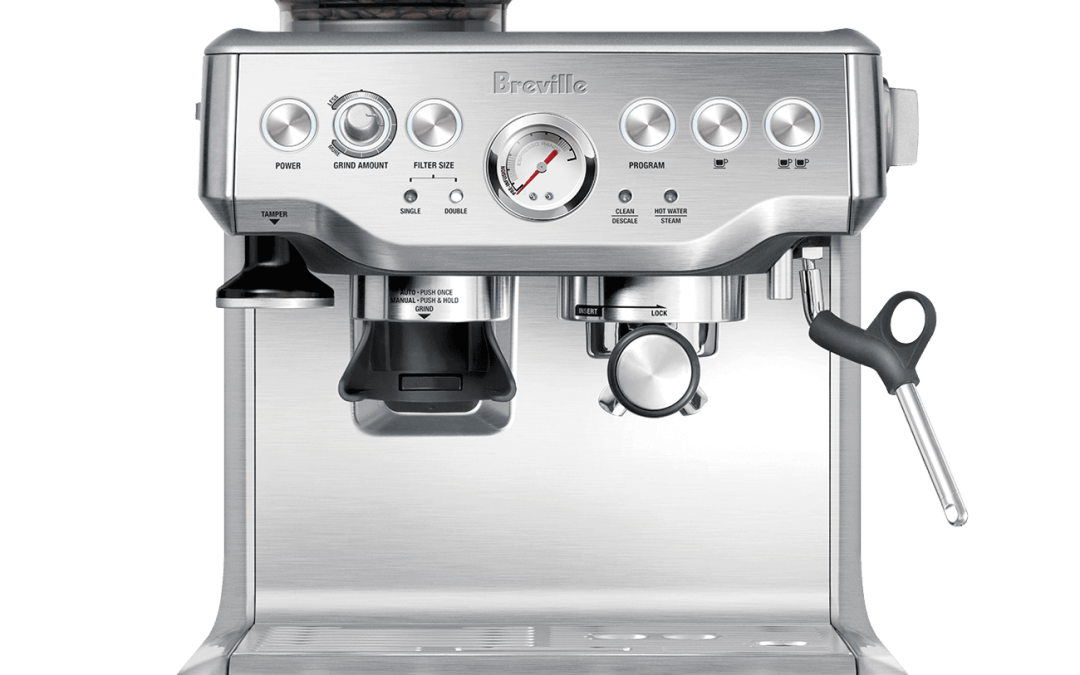
- An espresso machine. A semi-automatic machine like the De’Longhi Dedica Deluxe gives you control over each shot at an approachable price. The Breville Barista Express adds a built-in grinder. If you would rather push a button, a fully automatic machine like the De’Longhi Magnifica Evo grinds, brews, and froths for you.
- A grinder that can grind fine. Espresso needs a fine, consistent grind that most blade grinders cannot produce. A burr grinder built for espresso, like the Baratza Encore ESP, makes a huge difference. Skip this if your machine has a built-in grinder.
- Fresh, whole bean coffee. Look for a roast date on the bag. Beans roasted within the last few weeks give the best flavor and crema, though very fresh beans often taste better after resting a few days.
- A kitchen scale. Weighing the coffee in and the espresso out is the single best way to make consistent shots. A small coffee scale like the Hario V60 Drip Scale also has a built-in timer.
- A tamper. Most machines include one, though an aftermarket tamper that fits your basket snugly is a worthwhile upgrade.
The basic recipe
A good starting point for a double shot is 18 grams of ground coffee in, about 36 grams of espresso out, in 25 to 30 seconds. That 1:2 ratio is the standard starting recipe for most beans. Your basket may be sized for a slightly different dose, so check what your machine recommends and keep the 1:2 ratio.
How to pull a shot of espresso, step by step
- Preheat everything. Turn the machine on and let it fully heat up, often 15 to 30 minutes for traditional machines. Lock the empty portafilter in so it warms too, and run hot water through your cup.
- Weigh and grind. Weigh out your dose (around 18 g for a double) and grind it fine, just before brewing.
- Distribute the grounds. Dry the portafilter basket, add the grounds, and tap or gently level them so the bed is even. Uneven grounds let water find easy paths through the puck, which is called channeling.
- Tamp level and firm. Press straight down until the coffee stops compressing. A level tamp matters more than exactly how hard you press.
- Lock in and brew. Place your cup on the scale under the spouts, start the shot, and start a timer at the same moment.
- Stop at your target. Stop the shot when it reaches about 36 g in the cup. Note how long it took.
- Taste and adjust. Use the troubleshooting guide below to adjust your grind for the next shot.
Dialing in: how to fix your shots
Dialing in means adjusting your grind (and sometimes dose) until the shot tastes balanced. Change one thing at a time, and make small grind adjustments.
| What you notice | What it means | What to change |
|---|---|---|
| Sour, thin, salty, runs fast (under 20 seconds) | Under-extracted | Grind finer |
| Bitter, harsh, dry finish, runs slow (over 35 seconds) | Over-extracted | Grind coarser |
| Both sour and bitter, or spurting from the basket | Channeling | Improve distribution and tamp level |
| Watery with little crema | Stale beans or grind far too coarse | Use fresher beans and grind finer |
| Machine chokes and barely drips | Grind far too fine or dose too high | Grind coarser or reduce the dose |
Once the timing is in range, trust your taste. Some beans taste best at a slightly longer or shorter ratio, so feel free to experiment.
A note on pressurized baskets
Many entry-level machines come with pressurized (double-wall) baskets, which create pressure inside the basket itself. They are much more forgiving of grind and tamp, and they work with pre-ground coffee, though they limit how much you can fine-tune flavor. If your machine includes both pressurized and standard baskets, start with the pressurized ones while you learn, then switch to standard baskets once you have a good grinder.
Steaming milk for lattes and cappuccinos
- Start with cold milk in a cold metal pitcher, filled to just below the bottom of the spout.
- Purge the steam wand for a second to clear out water.
- Stretch the milk. With the wand tip just below the surface, turn on the steam. You should hear a gentle tearing sound as air is drawn in. Do this briefly for a latte, and longer for a foamy cappuccino.
- Spin and heat. Lower the tip slightly so the milk swirls in a whirlpool, and heat until the pitcher is too hot to hold comfortably, about 140°F to 150°F.
- Finish. Wipe and purge the wand, tap the pitcher to pop large bubbles, swirl, and pour into your espresso.
Making espresso without an espresso machine
True espresso needs about 9 bars of pressure, which only a pump or lever machine can produce. Without one, you can still make strong, concentrated coffee that works well in milk drinks:
- Moka pot. A stovetop brewer that pushes water up through the grounds with steam pressure. It makes rich, strong coffee, though with less body and no real crema.
- AeroPress. Use a fine grind, a small amount of water, and press firmly for a concentrated shot. The AeroPress is inexpensive and easy to clean.
- Pod machines. Nespresso and similar machines make an espresso-style shot at the push of a button, as long as you are happy using pods.
For a deeper look at how espresso differs from regular coffee, see our coffee vs espresso guide.
Keeping your espresso machine in shape
- Every shot: knock out the puck, rinse the portafilter, and wipe and purge the steam wand right away.
- Every week or two: wash the drip tray and portafilter, and backflush if your machine supports it.
- Every one to three months: descale with the descaler your manufacturer recommends. Many espresso machine makers advise against vinegar.
Still choosing a machine? Compare every pick in our espresso machine guide, or read our Breville vs De’Longhi guide.
Check Price on Amazon: De’Longhi Dedica Deluxe
Check Price on Amazon: Breville Barista Express
Check Price on Amazon: Baratza Encore ESP